During the Innovation & Empowerment: A Workshop for Writers (July 10-28, 2026), Rita Banerjee will be teaching a lecture and workshop for writers on “Classical Greek and Indian Approaches to Poetry, Dramaturgy, and Storytelling” on July 18-19, 2026, followed by a faculty reading with Dr. Kristina Marie Darling on July 18, 2026 at 6 pm. More information about the course follows below:
“Classical Greek and Indian Approaches to Poetry, Dramaturgy, and Storytelling” (A Lecture and Workshop by Dr. Rita Banerjee)
Innovation & Empowerment: A Workshop for Writers
Ionion Center for the Arts and Culture
The Greek Island Kefalonia | July 18-19, 2026
Apply: https://ionionartscenter.gr/
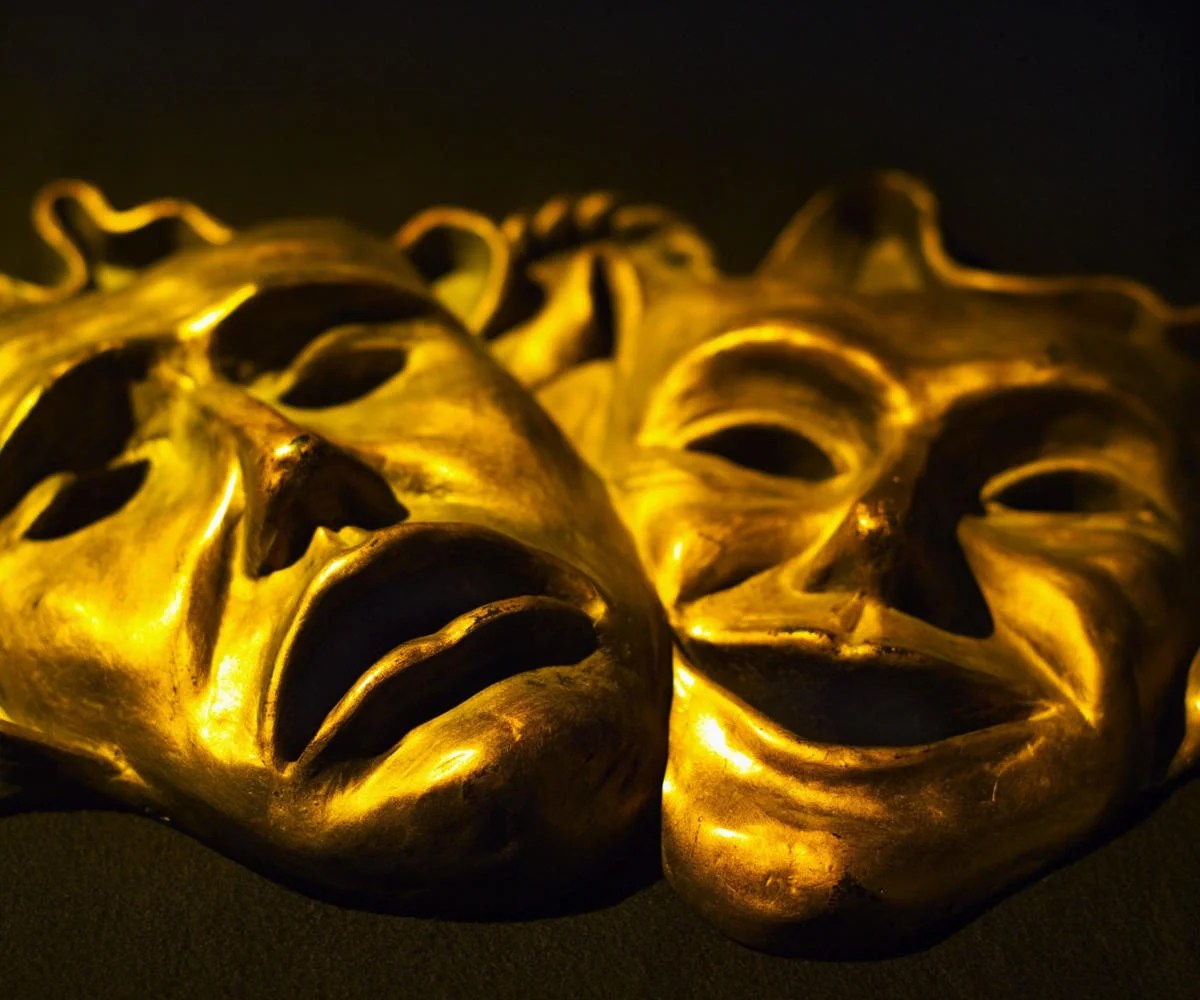
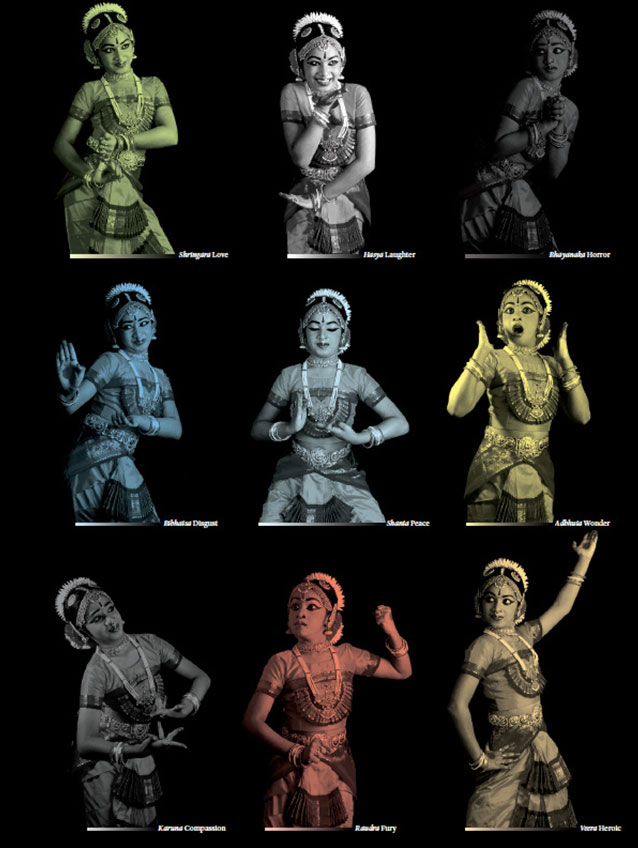
In The Republic (ca. 375 BCE), Plato states, “the tragic poet is an imitator, and therefore, like all other imitators, he is thrice removed from the king and from the truth.” Plato wants to kick the poet out of the republic because the poet does not answer to the king, and because poets challenge the ready-made truths of the status quo. In the Sanskrit tradition, the poet (kavī) is depicted as a wise seer (rishi), and one who holds up the heavens from the earth and thus serves as a translator of the celestial and the spiritual in the Rig Veda (ca. 1500 BCE). In response to his tutor Plato, Aristotle composes a defense of poetry in the Poetics (ca. 335 BCE), and argues that poetry, theatre, and literature are critically necessary for audiences as literature, and tragic theatre in particular, allows audiences to undergo catharsis. Aristotle maps how effective narratives can be built and how literature can be separated into the categories of comedy and tragedy. In contrast, in the Nāṭyaśāstra (ca. 200 BCE), Bharata outlines the eight main emotional states that are required to make any work of art become a classic. Bharata’s development of rasa theory provides a new way of considering narrative design which centers emotion, as do his discussions of bindus (turns) and how characters and plot develop in literary texts where emotion gives rise to action. In this class, we will study how literary theorists and dramaturgs such as Plato, Aristotle, Bharata, and Abhinavagupta offer different but intriguing approaches to poetry, dramaturgy, and storytelling and how we might use these classical Greek and Indian approaches to poetry and narrative design in our own creative work.
 Rita Banerjee