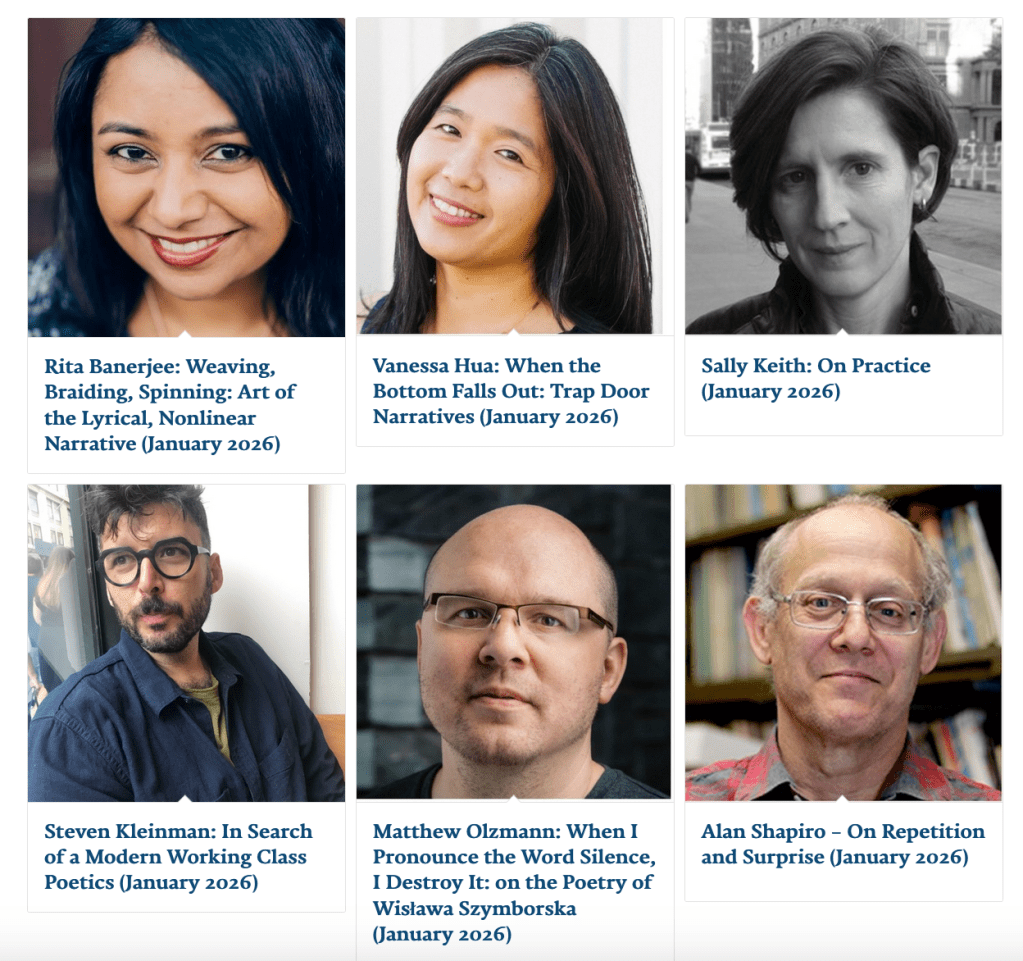
Classical Greek and Indian Approaches to Poetry, Dramaturgy, and Storytelling: A Lecture and Workshop by Rita Banerjee * Kefalonia, Greece, July 18-19, 2026

During the Innovation & Empowerment: A Workshop for Writers (July 10-28, 2026), Rita Banerjee will be teaching a lecture and workshop for writers on “Classical Greek and Indian Approaches to Poetry, Dramaturgy, and Storytelling” on July 18-19, 2026, followed by a faculty reading with Dr. Kristina Marie Darling on July 18, 2026 at 6 pm. More information about the course follows below:

“Classical Greek and Indian Approaches to Poetry, Dramaturgy, and Storytelling” (A Lecture and Workshop by Dr. Rita Banerjee)

Innovation & Empowerment: A Workshop for Writers
Ionion Center for the Arts and Culture
The Greek Island Kefalonia | July 18-19, 2026
Apply: https://ionionartscenter.gr/

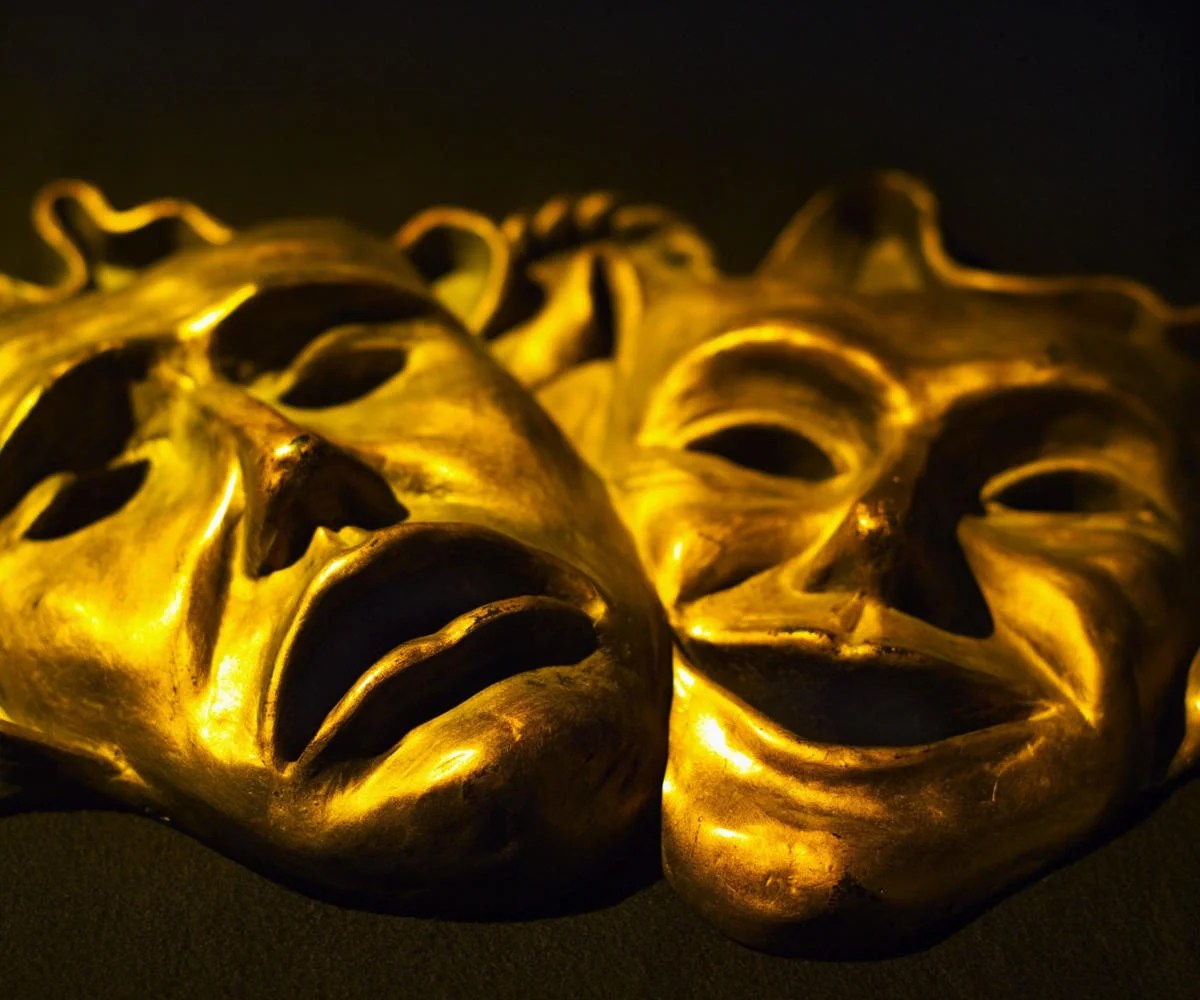
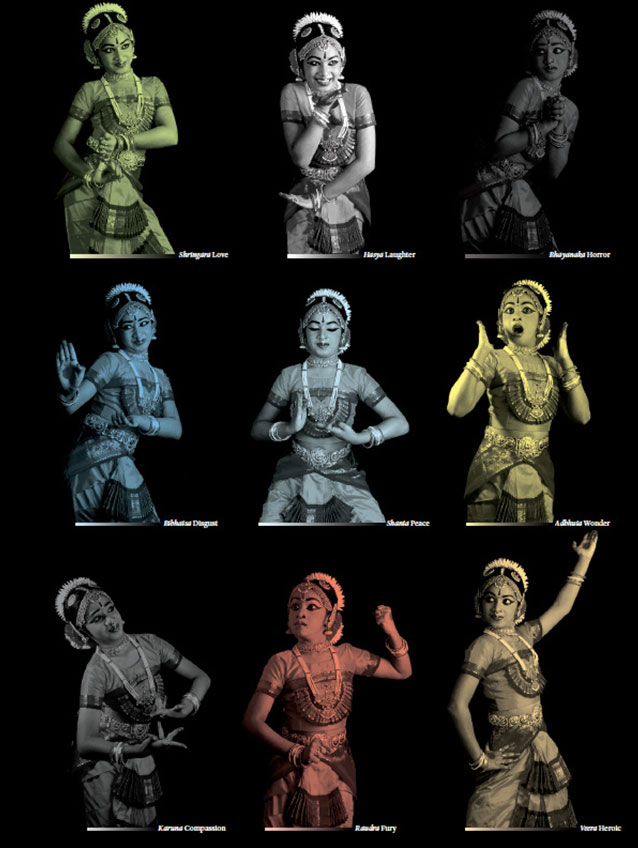
In The Republic (ca. 375 BCE), Plato states, “the tragic poet is an imitator, and therefore, like all other imitators, he is thrice removed from the king and from the truth.” Plato wants to kick the poet out of the republic because the poet does not answer to the king, and because poets challenge the ready-made truths of the status quo. In the Sanskrit tradition, the poet (kavī) is depicted as a wise seer (rishi), and one who holds up the heavens from the earth and thus serves as a translator of the celestial and the spiritual in the Rig Veda (ca. 1500 BCE). In response to his tutor Plato, Aristotle composes a defense of poetry in the Poetics (ca. 335 BCE), and argues that poetry, theatre, and literature are critically necessary for audiences as literature, and tragic theatre in particular, allows audiences to undergo catharsis. Aristotle maps how effective narratives can be built and how literature can be separated into the categories of comedy and tragedy. In contrast, in the Nāṭyaśāstra (ca. 200 BCE), Bharata outlines the eight main emotional states that are required to make any work of art become a classic. Bharata’s development of rasa theory provides a new way of considering narrative design which centers emotion, as do his discussions of bindus (turns) and how characters and plot develop in literary texts where emotion gives rise to action. In this class, we will study how literary theorists and dramaturgs such as Plato, Aristotle, Bharata, and Abhinavagupta offer different but intriguing approaches to poetry, dramaturgy, and storytelling and how we might use these classical Greek and Indian approaches to poetry and narrative design in our own creative work.

Innovation & Empowerment: A Workshop for Writers feat. Rita Banerjee at the Ionion Center for the Arts and Culture, Kefalonia, Greece (July 10-28, 2026)

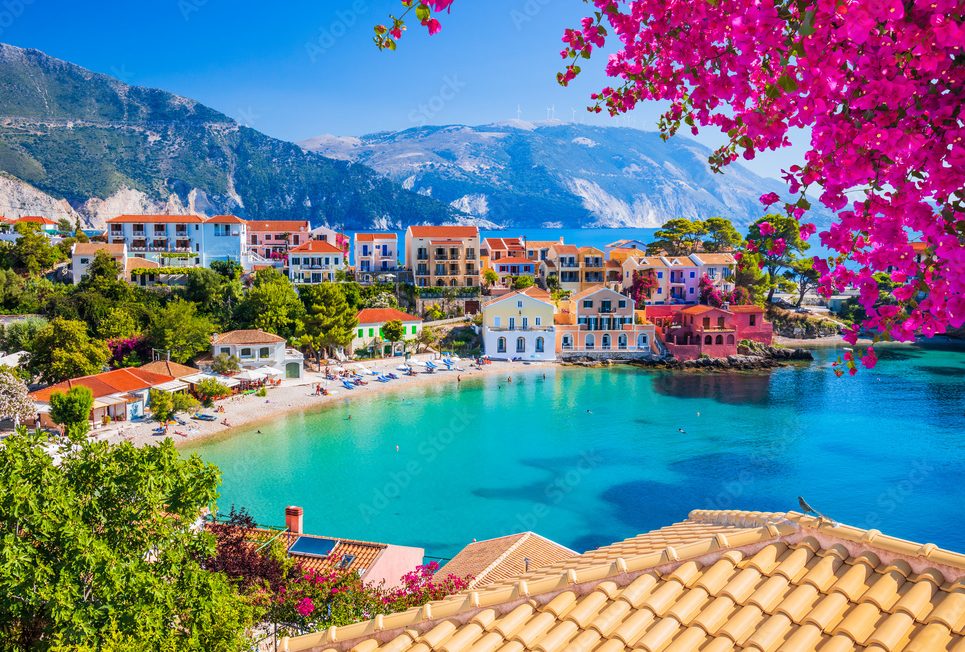
The Innovation & Empowerment: A Workshop for Writers (July 10-28, 2026) brings together an extraordinary faculty on the gorgeous greek island of Kefalonia to explore innovation and empowerment across literary genres. Featuring seminars led by Rita Banerjee, Molly Gaudry, Kristina Marie Darling, Simone Muench, Cutter Streeby, & Elizabeth A.I. Powell, we will discover new strategies for collaboration, hybrid writing, crafting short films and book trailers, as well as celebrating the artistic heritage of the island through lectures on the ode, Greek drama, and other topics as determined by student interest. The workshop will culminate in excursions to Assos, Fiskardo, Myrtos Beach, and many other breathtaking places on the island, where we will write and perform our work. Several distinguished visiting writers—including Matthew Rohrer, Avia Tadmor, Diana Whitney, and Jose Filipe Alvergue—will also join via zoom to share their work and provide writing prompts that will guide our creative practice. More information about the workshop details and registration deadlines follow below:

Innovation & Empowerment: A Workshop for Writers
Ionion Center for the Arts and Culture, 
https://ionionartscenter.gr/
The Greek Island Kefalonia | July 10- 28, 2026
Application is required through e-mail at info@ionionartscenter.gr
Deadlines for applications: March 30, 2026
Deadline for final enrollment: May 10, 2026

Additional Information : info@ionionartscenter.gr & ionionartscenter@gmail.com
Class program: kristina.marie.darling@gmail.com

South Asian Avant-Garde’s 2024 in Reading feat. Rita Banerjee

In describing the complex and thought-provoking readings of the SAAG Masthead in 2024, Associate Editor of the South Asian Avant-Garde Iman Iftikhar writes, “Reading in 2024 often felt like fumbling for grounding amidst relentless upheaval. At times, it offered escape and solace. At others, it demanded grappling, interrogation, and a necessary confrontation. Whether through poetry, history, fiction, or essays, our reading this year insisted on engagement: on seeing, feeling, and remembering to live, even when it felt unbearable.

“These reflections do not aim to present a neat list of 2024’s ‘best; books or ‘essential reads.’ Instead, they are fragments of what stayed with us: works that lingered and called us back. Our favorites include a novel set in Baltimore tracing the lives of the Palestinian diaspora, texts that provide much needed clarity on revolutionary politics, a quiet yet searing study of sound and space, some comfort reads, and much more. These books held mirrors to the year and world we lived through, compelling us to look even closer when we could not look away. Here, in the voices of those who read and felt with these works, we share not only our most loved reads of the year but the struggles they opened up for us, allowing us to see anew.”

And of her selected readings in 2024, SAAG Editor Rita Banerjee writes:

“This year, every book I read felt like a knock-out including: Animal by Dorothea Lasky, Yellowface by R.F. Kuang, Letters to a Writer of Color edited by Deepa Anappara and Taymour Soomro, Fling Diction by Frances Canon, Riambel by Priya Hein, Dumb Luck and Other Poems by Christine Kitano, Letter to the Father by Franz Kafka, Another Word for Love by Carvell Wallace, Cloud Missives by Kenzie Allen, A Fish Growing Lungs by Alysia Li Ying Sawchyn, and The Psychology of Supremacy by Dwight Turner, among many others. Each book I read challenged and changed my approach to creative writing craft, human psychology, how we process social trauma, and what we can learn from community, as well as demanding systemic change. 

One poetry collection that showed me how form could explode on the page, and how polyvocality and the acknowledgement of our ancestors could be conveyed, was JJJJJerome Ellis’s Aster of Ceremonies. The collection plays with the idea of “Master of Ceremonies” as someone who both entertains and has authority over the stage. With his stutter, Ellis has difficulty pronouncing ‘master’ (which then becomes ‘aster’ in his work). Throughout the collection, Ellis interrogates the notion of master, both as the figurehead who controls the lives of others, often under authoritarian or tyrannical rule, and as a symbol of accomplishment and the mastery of craft.”

Check out the South Asian Avant-Garde‘s 2024 in Reading here.